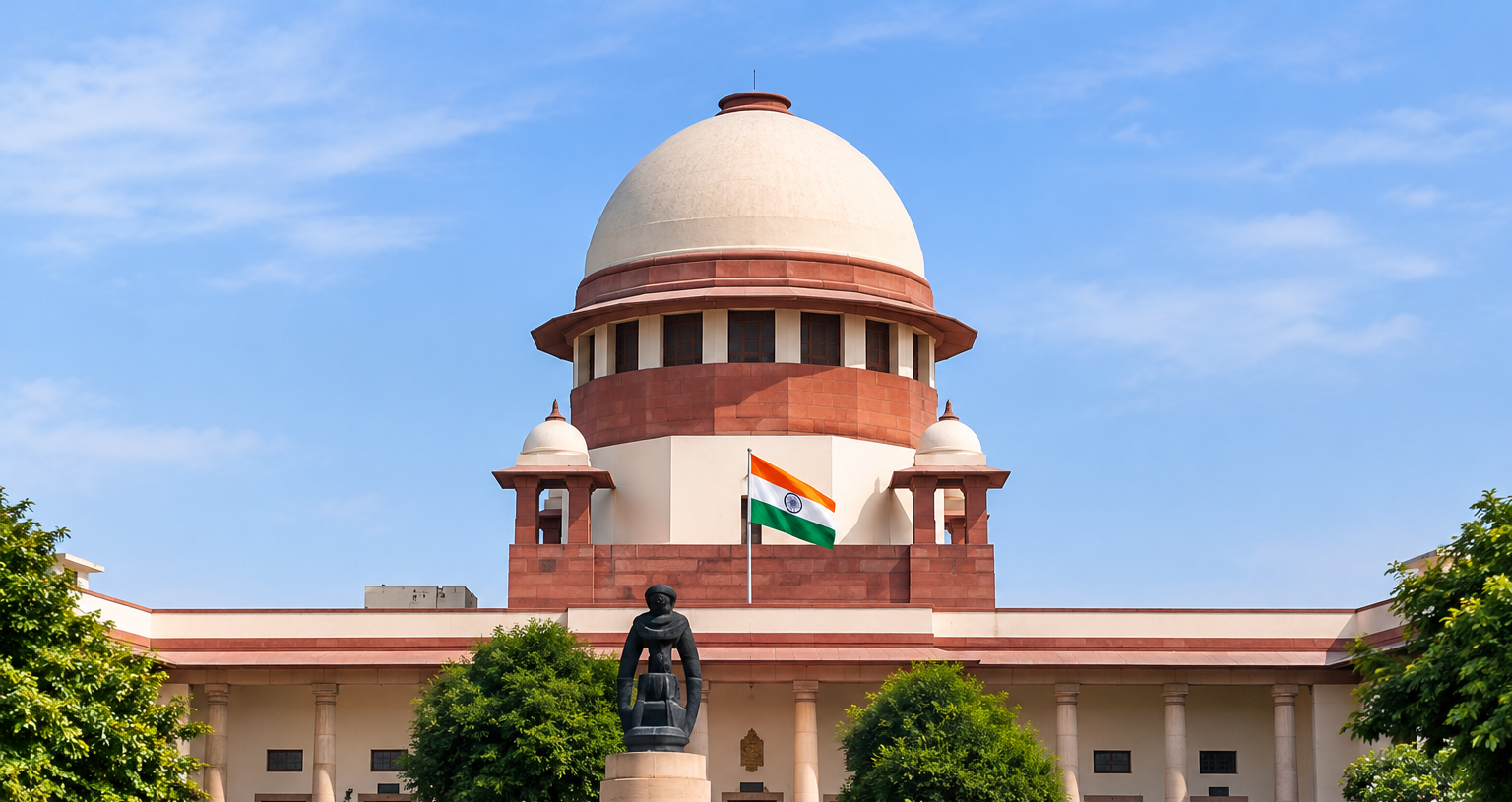
REPORTED BY- Nitin Sharma
Court: Supreme Court of India
Matter: Great Nicobar Project – challenge concerning Forest Rights Act and environmental/tribal rights
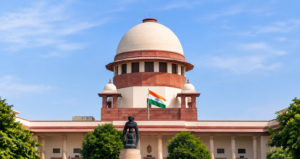
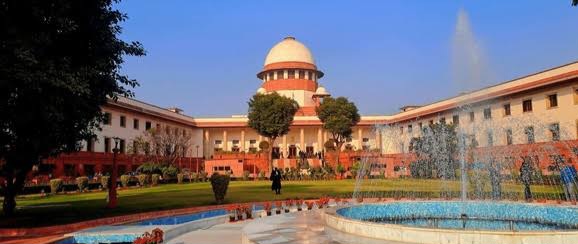
The Supreme Court declined to interfere with the Calcutta High Court proceedings concerning Public Interest Litigations challenging aspects of the Great Nicobar Project. A Bench headed by Chief Justice Surya Kant, along with Justice Joymalya Bagchi and Justice V. Mohana, noted that the matter was already pending before the High Court. The Calcutta High Court has scheduled final arguments for 25–26 November 2026.
Legal significance: The matter involves important questions concerning environmental protection, tribal rights, the Forest Rights Act, and judicial review through PIL. The Supreme Court’s decision also demonstrates judicial restraint where proceedings on the substantive issues are already continuing before a High Court.
The Great Nicobar Island project is a major infrastructure-development proposal involving facilities including a transshipment terminal, airport, township and associated infrastructure. The project has attracted legal and public scrutiny because of its potential implications for the island’s forests, ecology and indigenous communities. Former senior bureaucrat Meena Gupta approached the Calcutta High Court through a PIL challenging aspects of the statutory approvals and the alleged failure to adequately comply with the Forest Rights Act.
The Union Government challenged the maintainability of the PIL before the Supreme Court after the Calcutta High Court declined to dismiss the proceedings at the threshold. The three-judge Bench comprising CJI Surya Kant, Justice Joymalya Bagchi and Justice V. Mohana heard the Union Government’s challenge on 5 October 2026. The Supreme Court refused to entertain the Union’s challenge at this stage and allowed the proceedings before the Calcutta High Court to continue. The Court noted that the principal matter was already scheduled for hearing before the High Court on 25 and 26 November 2026 and requested that the proceedings be taken up expeditiously.
The Court also indicated that the connected proceedings should be dealt with together, with the parties completing their pleadings and cooperating in an effort to facilitate an early hearing. The principal issue before the Supreme Court at this stage was not whether the Great Nicobar Project itself is legally or environmentally valid, but whether the PIL challenging the project could be maintained before the Calcutta High Court. The Union Government had questioned the maintainability of the PIL, whereas the petitioner’s side argued that the case involved substantial issues concerning the rights of indigenous and vulnerable tribal communities.
The petitioner was also argued to have a significant connection with tribal welfare and the subject matter of the litigation. The Supreme Court’s order is significant because it does not finally determine the merits of the allegations against the project. Instead, the Court has allowed the High Court process to continue and has encouraged an expeditious adjudication. The Court’s approach reinforces the principle that questions concerning tribal rights, environmental protection and statutory compliance can be subjected to judicial scrutiny, even where the underlying project is described as being of national or strategic importance.
Reports of the proceedings also indicate judicial emphasis on the constitutional significance of protecting the culture and interests of indigenous tribal communities. The development is important for Indian environmental and constitutional law for several reasons:
1. Access to Justice: The decision permits the PIL proceedings to continue rather than terminating them at the threshold.
2. Tribal Rights: The litigation raises important questions concerning the rights of indigenous communities and PVTGs affected by large infrastructure projects.
3. Forest Rights Act: The proceedings may examine whether statutory requirements under the Forest Rights Act were properly complied with before the project received relevant approvals.
4. Judicial Review: The case demonstrates that projects described as being of national importance are not automatically immune from judicial scrutiny.
5. Environmental Governance: The proceedings may provide judicial examination of the balance between infrastructure development, environmental protection, and protection of indigenous communities.
The substantive dispute will continue before the Calcutta High Court, with the matter scheduled for hearing on 25–26 November 2026. The High Court will have to consider the PILs and the objections raised by the Union Government and other parties. The Supreme Court has not expressed a final opinion on the merits of the Great Nicobar Project or the allegations concerning statutory violations. The Supreme Court’s decision on 5 October 2026 is principally a decision concerning the continuation and expeditious hearing of PIL proceedings, rather than a final ruling on the legality of the Great Nicobar Project.
By declining to interfere with the Calcutta High Court’s order, the Supreme Court has allowed the judicial process concerning alleged violations of forest and tribal-rights protections to proceed. The case is therefore significant as an illustration of the continuing role of Public Interest Litigation in scrutinising large-scale development projects where environmental protection, statutory compliance and the rights of vulnerable communities intersect.