REPORTED BY- Yashwant Singh
NEW DELHI — In a key constitutional transition for the national capital’s judiciary, Justice Nitin Wasudeo Sambre has been appointed as the Acting Chief Justice of the Delhi High Court.
The appointment was notified on Monday by the Union Ministry of Law and Justice, exercising powers conferred under Article 223 of the Constitution of India. Justice Sambre steps into the leadership role following the elevation of the incumbent Chief Justice, Devendra Kumar Upadhyaya, to the Supreme Court of India.
According to the official gazette notification, Justice Sambre will discharge the duties of the office of Chief Justice from the moment Justice Upadhyaya formally relinquishes charge to assume his seat on the apex court bench.
A Career Steeped in Bar & Bench Traditions
Born on December 19, 1967, in Nagpur, Justice Sambre’s judicial journey is marked by an extensive background across both the bar and the bench:
Formative Years & Mentorship: After obtaining his law degree in 1992 from the University College of Law, Nagpur, he enrolled as an advocate in August 1992. He began his legal practice in the chambers of then-Senior Advocate Sharad A. Bobde (who later served as the 47th Chief Justice of India).
Bar Leadership & Public Service: Justice Sambre developed a practice across civil, criminal, and constitutional matters before the Bombay High Court. A trusted voice among his peers, he served as Secretary of the High Court Bar Association at Nagpur (2004–2007) and later discharged duties as Government Pleader and Public Prosecutor.
Elevation & Judicial Tenure: On January 6, 2014, he was elevated to the bench of the Bombay High Court. Known for his pragmatic courtroom management, clear orders, and focus on procedural fairness, he handled critical constitutional and criminal rosters before being transferred to the Delhi High Court in July 2025.
Significance of the Transition
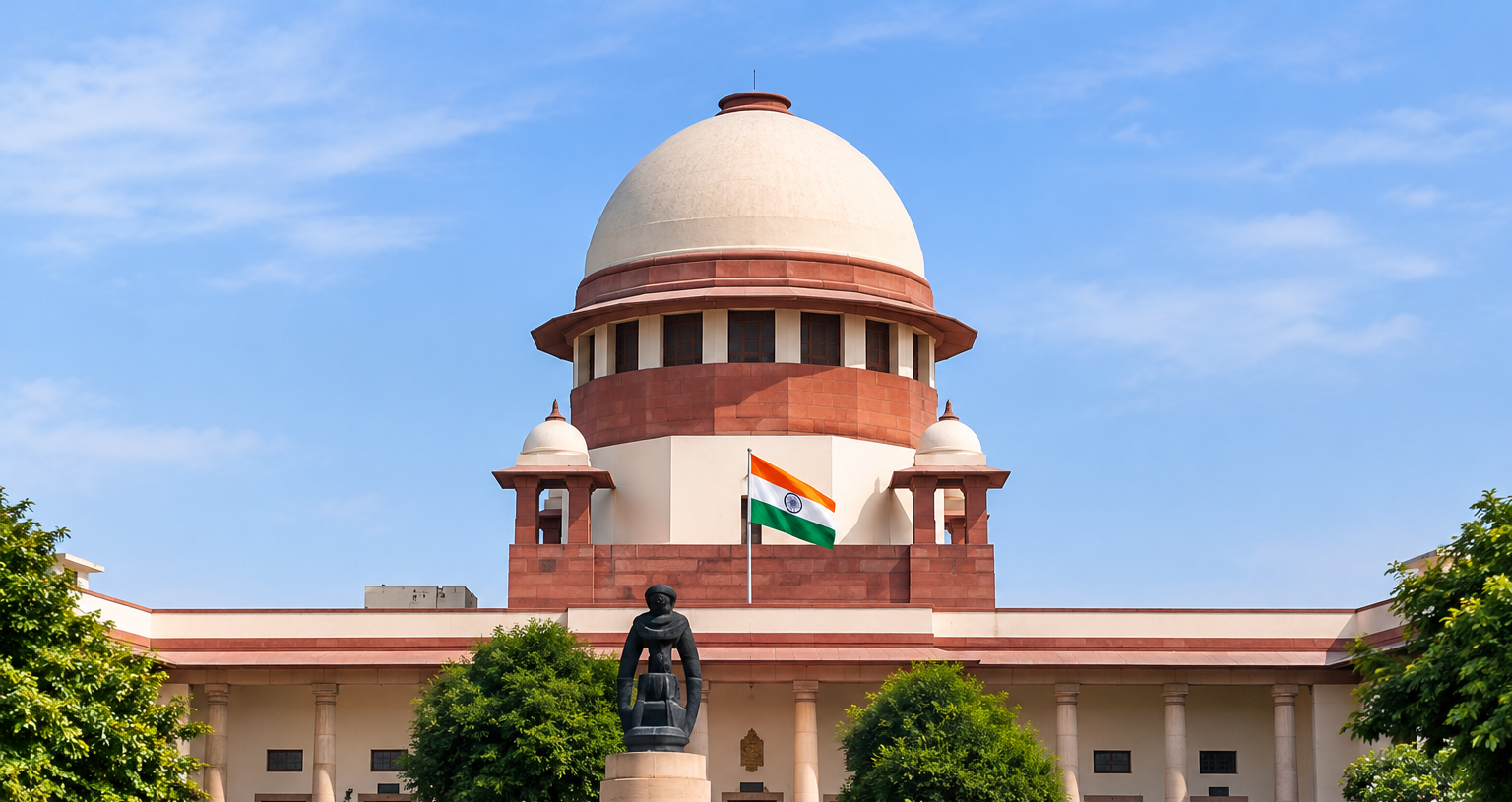
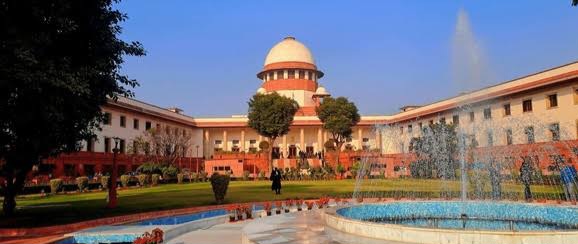
The Delhi High Court, operating at the crossroads of major public law litigation, corporate regulation, and intellectual property disputes, enters a critical phase of institutional continuity. With Justice Upadhyaya moving to Tilak Marg, Justice Sambre’s appointment ensures uninterrupted administrative and judicial leadership as the High Court manages ongoing infrastructure upgrades, case-clearance drives, and active division benches.