REPORTED BY: Saleha Qadeer
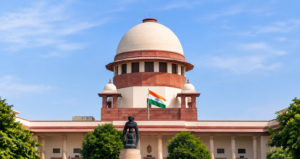
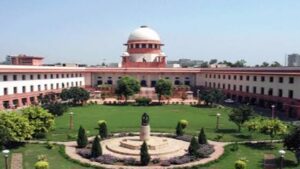
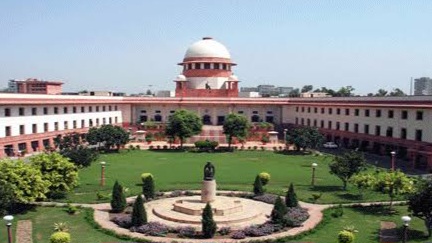
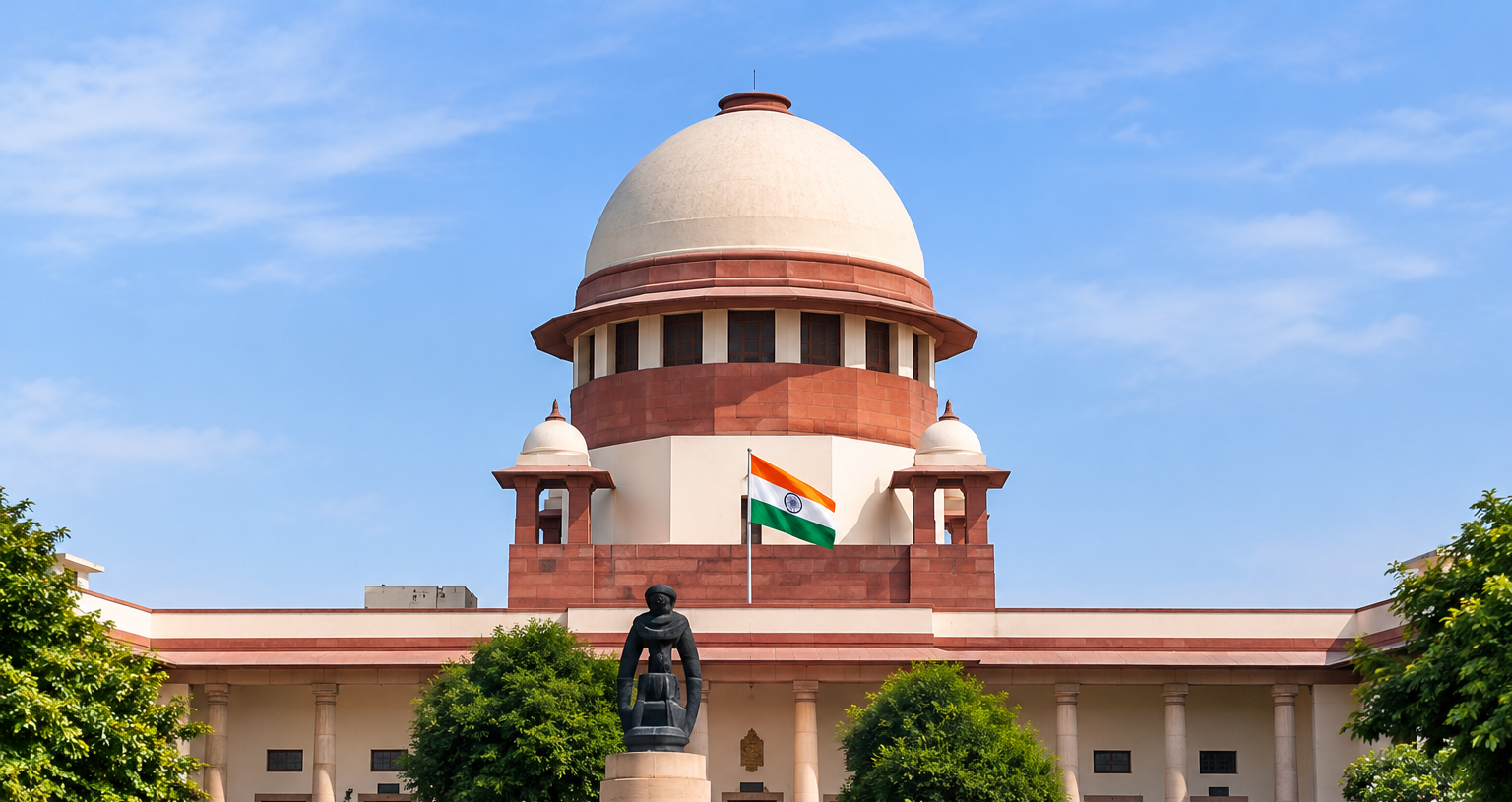
Forum: Supreme Court of India, New Delhi
Bench: Chief Justice of India and Justice B.R. Gavai
Case Title:In Re: Inhuman Conditions in 1382 Prisons v. State of Maharashtra & Ors.
News Coverage & Case Breakdown
1. The Supreme Court of India today issued a sweeping set of directions aimed at tackling the systemic crisis of prison overcrowding across the country. Taking serious note of noncompliance with statutory bail provisions and extended pre-trial detentions, the Apex Court directed all High Courts to constitute dedicated Prison Audit Committees within two weeks. The Division Bench emphasized that long-term incarceration without trial directly undermines the right to dignity and speedy justice under Article 21 of the Constitution. The Court mandated that State Legal Services Authorities (SLSAs) immediately submit physical audit reports detailing the capacity, sanitation, medical facilities, and exact percentage of undertrial prisoners across state penitentiaries.
2. Case Background & Historical Legal Timeline
• 1979: In Hussainara Khatoon v. Home Secretary, State of Bihar, the Supreme Court recognised the Right to Speedy Trial as an integral fundamental right under Article 21.
• 2014: The Supreme Court issues directions in Arnesh Kumar v. State of Bihar, strictly prohibiting unnecessary arrests and mandating compliance with Section 41A of the CrPC (now BNSS) to prevent unnecessary pre-trial incarceration.
• July 2026: National Crime Records Bureau (NCRB) data reveals that undertrial prisoners constitute over 75% of the total prison population nationwide, with several central jails operating at over 150% capacity.
•05 October 2026 : The Supreme Court reopens the judicial monitoring portal for prison reforms and issues binding directives to ensure systemic relief
3. Primary Grounds & Key Judicial Observations
During the proceedings, the Bench highlighted crucial constitutional guarantees and procedural safeguards:
Mandatory Enforcement of Section 479 BNSS: The Court directed lower courts to strictly enforce Section 479 of the Bharatiya Nagarik Suraksha Sanhita (BNSS), which allows firsttime offenders who have undergone one-third of the maximum sentence to be released on personal bond. • Right to Human Dignity: The Bench observed that overcapacity leads to severe degradation of living conditions, violating basic human rights and hygiene standards guaranteed under Article 21. • Integration of Legal Aid: The Court instructed District Legal Services Authorities (DLSAs) to actively identify indigent prisoners who remain in custody solely due to an inability to furnish bail bonds or surety.
4. Legal & Constitutional Significance
This ruling establishes key enforcement mechanisms for correctional administration and criminal jurisprudence: • Strengthening Bail Standards: Reaffirms the foundational principle that “bail is the rule, jail is the exception,” setting accountability mechanisms for judicial magistrates who prolong detention unnecessarily. • Judicial Oversight of Executive Facilities: Sets a structural precedent where state governments are legally obligated to provide physical layout audits and medical infrastructure assessments directly to High Courts. • Institutional Coordination: Integrates trial courts, legal aid authorities, and jail administration into a unified monitoring framework to prevent prolonged pretrial imprisonment.