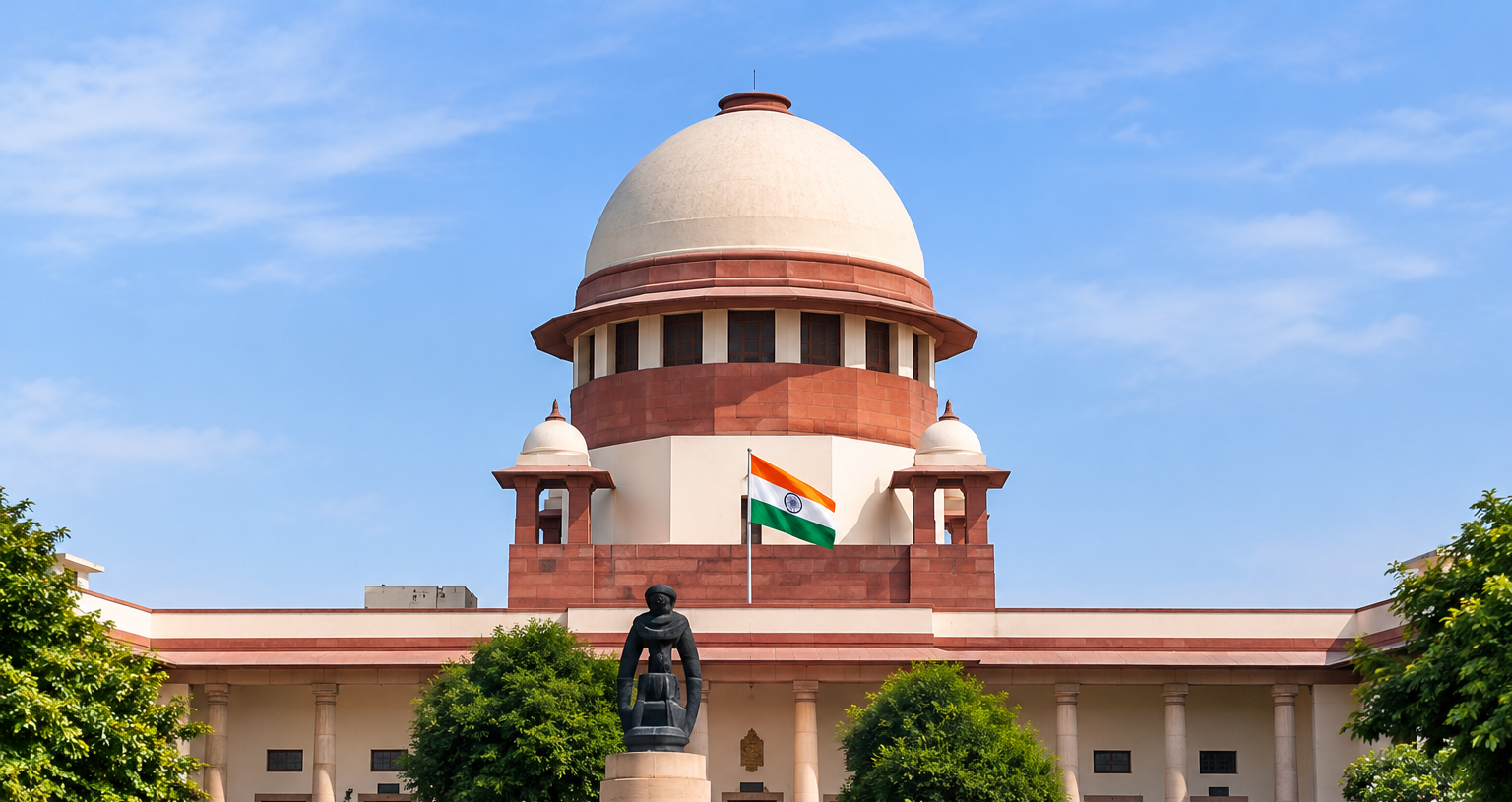
REPORTED BY- Devine
• Forum: Supreme Court of India, New Delhi
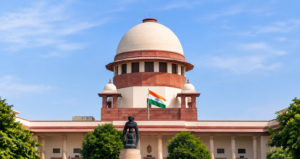
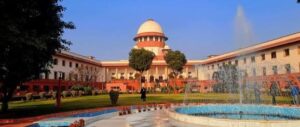
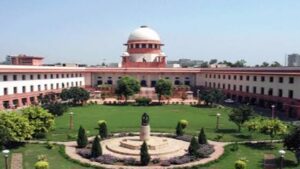
• Bench: Justice P.S. Narasimha and Justice Alok Aradhe
• Case Title: In Re: Fundamental Right to Walk and Footpath v. Ministry of Housing and Urban Affairs
• Case No.: W.P.(C) No. 844/2026
1. News Coverage & Case Breakdown
The Supreme Court on Monday asked the Union Government to identify a central authority that will be responsible for ensuring that wherever a road exists, a footpath exists as well. The bench was monitoring compliance with its June 2026 judgment, which declared the right to walk on a footpath a fundamental right. The Court directed the Centre to identify such an authority, and if none exists within the statutory framework, one could be established. It must have the infrastructure, space, human resources and funds to work effectively. Additional Solicitor General K.M. Nataraj was asked to take instructions and report back. The Court also asked the Centre to identify five towns where a pilot project to provide footpaths on existing roads can begin. The matter will be listed after three weeks.
2. Case Background & Legal Timeline
• Earlier directions: In S. Rajaseekaran v. Union of India, a bench of Justice A.S. Oka and Justice Ujjal Bhuyan issued directions for unobstructed, disabled-friendly use of footpaths, holding that the right to use footpaths forms part of Article 21.
• June 2026: The Supreme Court held that the right to walk is a fundamental right and that every road must have a demarcated footpath.
• Ongoing monitoring: A bench headed by Justice J.B. Pardiwala has separately been monitoring pedestrian safety on roads and footpaths, including helmets, wrong-lane driving and unauthorised hooters.
• 05 October 2026: The Court orders the Centre to name the responsible authority and propose five pilot towns.
3. Judicial Observations by the Supreme Court
• Planning: Justice Narasimha said a centralised authority is first needed to do the planning, followed by a pilot project.
• Viable authority: The body entrusted with the task must be a working authority with real resources, not one that exists only on paper.
• Duty bearers: The June judgment named urban development authorities, municipal corporations, municipalities and panchayats as responsible for demarcating, building and maintaining footpaths.
4. Legal & Constitutional Significance
• Articles 19 and 21: The June judgment grounds the right to walk in Article 19(1)(d), read with Article 19(1)(a), (b) and (c), and Article 21. Footpaths take priority over movement by motorised vehicles. Times Law – Legal News Report – Page 2
• Remedy for citizens: Violation of the right entitles citizens to constitutional and legal remedies against duty bearers, including restitution and compensation, independent of the Motor Vehicles Act, 1988.
• Enforcement: The case shows the Court moving from declaring a right to supervising how it is actually implemented.