Legal Reporter: Varonica Chaturvedi
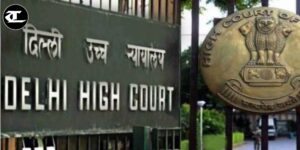
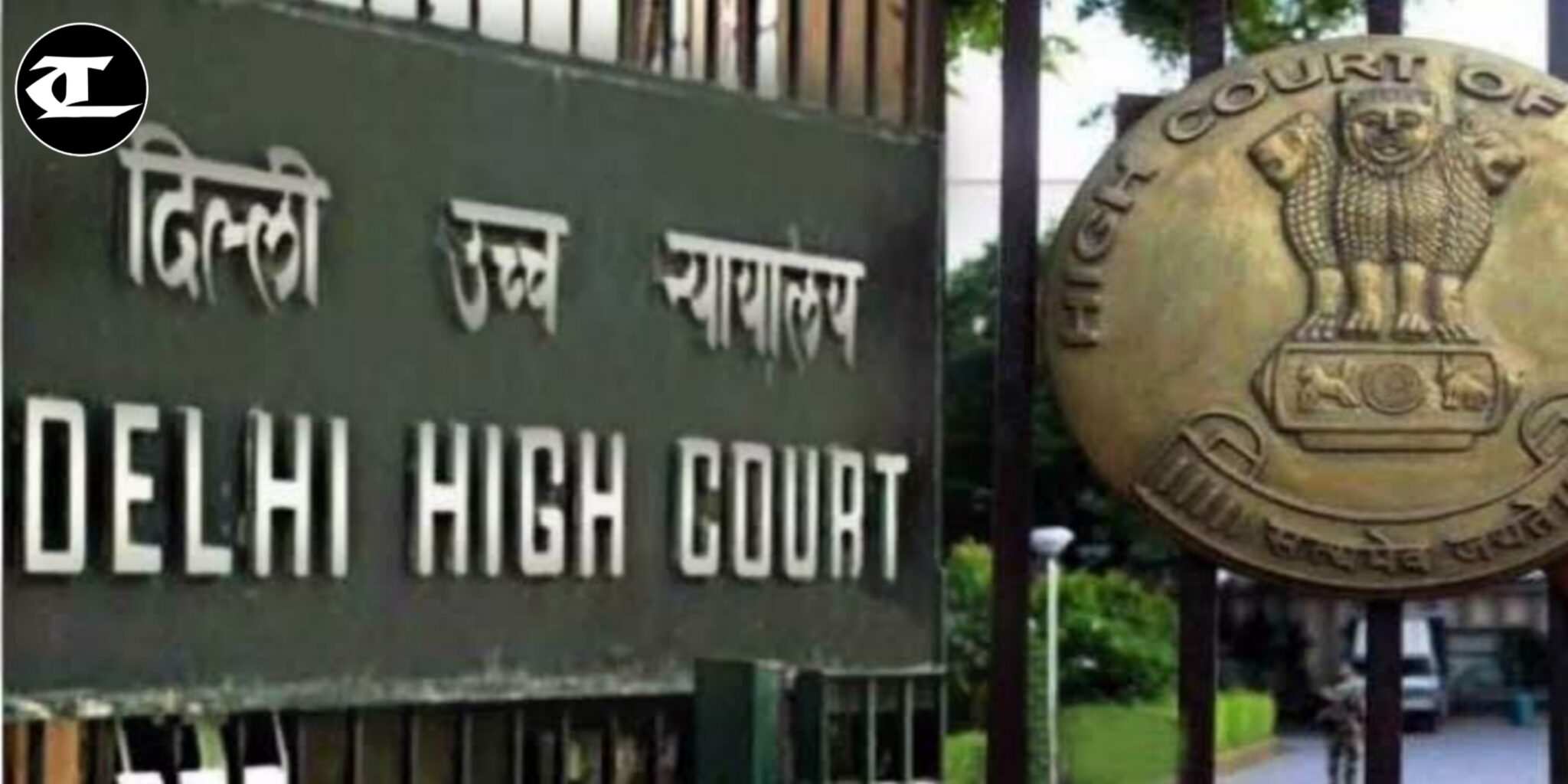
The Delhi High Court has asked the Centre to consider whether clear rules should be framed for the use of body-worn cameras by police and Rapid Action Force (RAF) personnel during protests and crowd-control operations.
The issue arose from a Public Interest Litigation (PIL) filed by advocate Chahat Raghav, seeking a proper framework governing the use of body cameras, including when they should be switched on, how recordings should be stored and retained, and how their authenticity should be protected. The petitioner also sought mandatory and continuous use of body-worn cameras whenever police personnel are deployed for protest or crowd-control duties, along with guidelines regarding the use of such recordings as evidence.
The petitioner argued that protests and crowd-control situations can give rise to conflicting allegations, including claims of excessive use of force by police and allegations against protesters. Body-camera footage recorded directly by police personnel could provide a clearer account of events.
The matter was heard by a bench comprising Acting Chief Justice Nitin Wasudeo Sambre and Justice Arun Bhardwaj. The Court did not immediately direct mandatory use of body cameras. Instead, the Centre suggested that the PIL could be treated as a representation to the government.
Accepting the approach, the Court asked the Centre to consider the issue and communicate its decision on an appropriate Standard Operating Procedure (SOP) within six months. The Court also considered whether it should itself direct the government to create such a framework, particularly since the issue has wider implications for policing beyond the Delhi Police.
Additional Solicitor General Chetan Sharma, appearing for the Centre, supported treating the petition as a representation and referred to existing arrangements for videography during protests as well as an earlier Supreme Court direction concerning protests at Jantar Mantar.
The Court has given the petitioner liberty to approach it again if she is dissatisfied with the government’s response or if no action is taken.
The matter raises significant questions concerning police accountability, transparency during protests and protection of citizens’ rights. It also highlights the importance of ensuring that digital recordings used as evidence are properly preserved and protected from alteration.
The Centre’s decision within the next six months may therefore play an important role in determining whether India develops a clearer and more formal framework for the use of police body-worn cameras during protests and crowd-control operations.